
Today I dare to take an in-depth look at the Agile Manifesto values, their intended meaning, some misconceptions about them, and our observations how they are sometimes implemented in real life development teams that claim they follow the Agile framework.

The Agile Manifesto prioritizes "Working software over comprehensive documentation," acknowledging the significance of ongoing development. However, like any principle, this approach has its drawbacks, and I am trying to avoid statements like "completely flawed." Having observed instances where projects experienced setbacks or even total failure due to strict adherence to this Agile tenet, today, I invite you to explore with me why comprehensive documentation is essential for successful software development.

Agile retrospectives are the cornerstone of continuous improvement, providing teams with a dedicated space to reflect, adapt, and evolve their processes. However, orchestrating a successful retrospective goes beyond routine discussions. Let’s delve into key strategies that can transform retrospectives into powerful tools for positive change.

Refuting the idea that the business-developer relationship is obscure, we reveal a dynamic environment where each decision profoundly influences the development team. This interaction significantly guides the project towards its ultimate goal

Every Stakeholder Must Read!
It may be a surprise to you, but the decision to change product scope mid-flight can pose significant challenges that impact the project's success.
Let's explore the potential pitfalls of altering project scope and overview how to make your change requests with empathy and effectiveness. What is even more important is knowing when to make them and when to avoid.
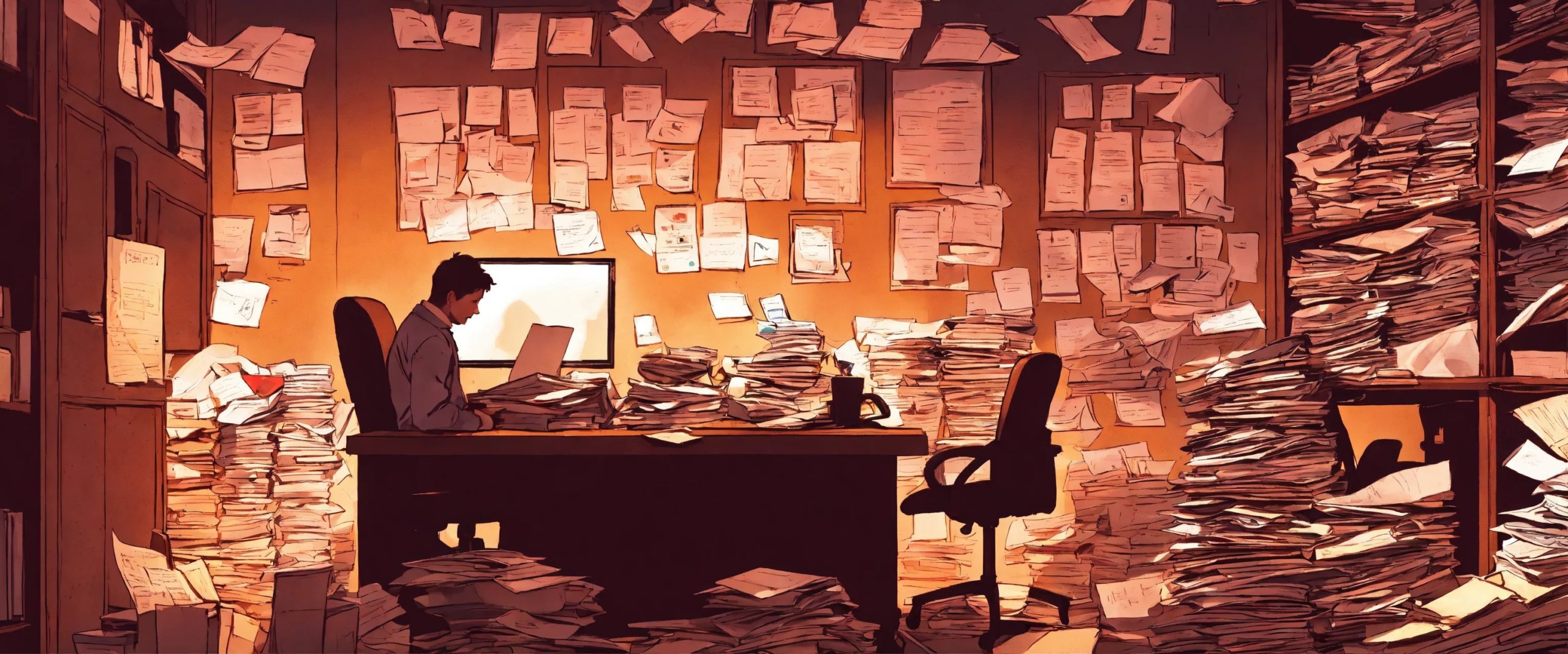
Amidst my extensive experience in the realm of software development, I’ve encountered a diverse array of documentation practices, each with its unique strengths and shortcomings. Some teams diligently employed design intake forms, capturing the essence of user experiences and expectations. Yet, I’ve also come across individual data dictionaries that, while rich in technical details, lacked a bridge to the actual user interface and experience.

We all need a sanity check once in a while. It’s much easier to fix things when you start noticing that the process is not working its best, rather than when it’s all crumbling down. I urge you to answer the following 15 questions periodically to ensure that your team does not veer from the right path.
Let's check what people think on the main indicator of the Product that's failing.

In product development, the journey from ideation to market can be fraught with challenges. The main tragedy of many product fates is a useless, unusable, or obsolete product. Understanding the key reasons behind product failures is crucial for steering clear of pitfalls and embracing a more effective approach. Let's dissect the conventional models that often lead to suboptimal outcomes, shedding light on the missteps that hinder innovation and growth.
We have all experienced this in one way or another—when we truly believe our idea or suggestion is correct and maybe even the best, but the decision was made against it. How to deal with it? Should you fight for it, or should you submit? Today, we navigate the nuanced terrain of choices in Agile, dissecting scenarios where personal viewpoints clash with authority, team dynamics, and the challenge of defending or submitting to choices.

In recent years, the recognition of the need for proficient product coaches has surged, driven by an increasing number of companies embracing the practices of successful industry leaders. As the demand for product coaching grows, so does the challenge of distinguishing true expertise from the plethora of self-proclaimed “agile coaches” and “career coaches” with little to no product experience.