
Product management is a pivotal function within any Digital Product Development team, directly influencing the success and reception of a product. Despite its importance, many companies fall into common pitfalls that impede their progress. Let's go over some of the mistakes in detail and provide actionable solutions, supported by real-world examples.

Leadership is often perceived through the lens of extroverted traits, emphasizing assertiveness and charisma. Recognizing the nuanced aspects of effective leadership reveals that it's not confined to extroverted traits alone. Leading successfully involves a delicate interplay of various qualities, and introverts bring a unique set of strengths to this arena.

In recent months, "Product-Led Growth" (PLG) has been making waves. You've likely heard of its effectiveness and how it's reshaping the way companies approach growth. How is PLG different from the familiar product development we are now used to? How to leverage it for product success? Let's find out.

Recently, I have initiated a poll in one of the "quality" engaging communities on LinkedIn. The poll was about the most common digital product development challenges (I called them pain points, and this will bite me hard later on). The poll got a solid amount of engagement and interesting comments, and I couldn't help but write about it and its discovery.

While there isn't a specific global statistic on the prevalence of self-awareness, it remains a complex and subjective trait, varying widely among individuals. Research in psychology and organizational behavior explores this trait, emphasizing its developmental nature. So, how do we cultivate self-awareness in ourselves and those around us? And how do we leverage this process, especially in teamwork within digital product development?

A team agreement plays a vital role in Agile product development, especially in the Scrum framework, serving as a tool to establish fundamental rules for teams engaged in software development projects. These guidelines are crucial for fostering productivity, mutual understanding, accountability, and harmonious collaboration among team members.

One frequently asked question is how to incorporate Scope Change Management into an Agile methodology. This issue gains importance as organizations adopt Agile working amid rapid change and disruption. Change is an inherent part of software development, especially in Agile environments where flexibility and responsiveness to evolving business needs are paramount.
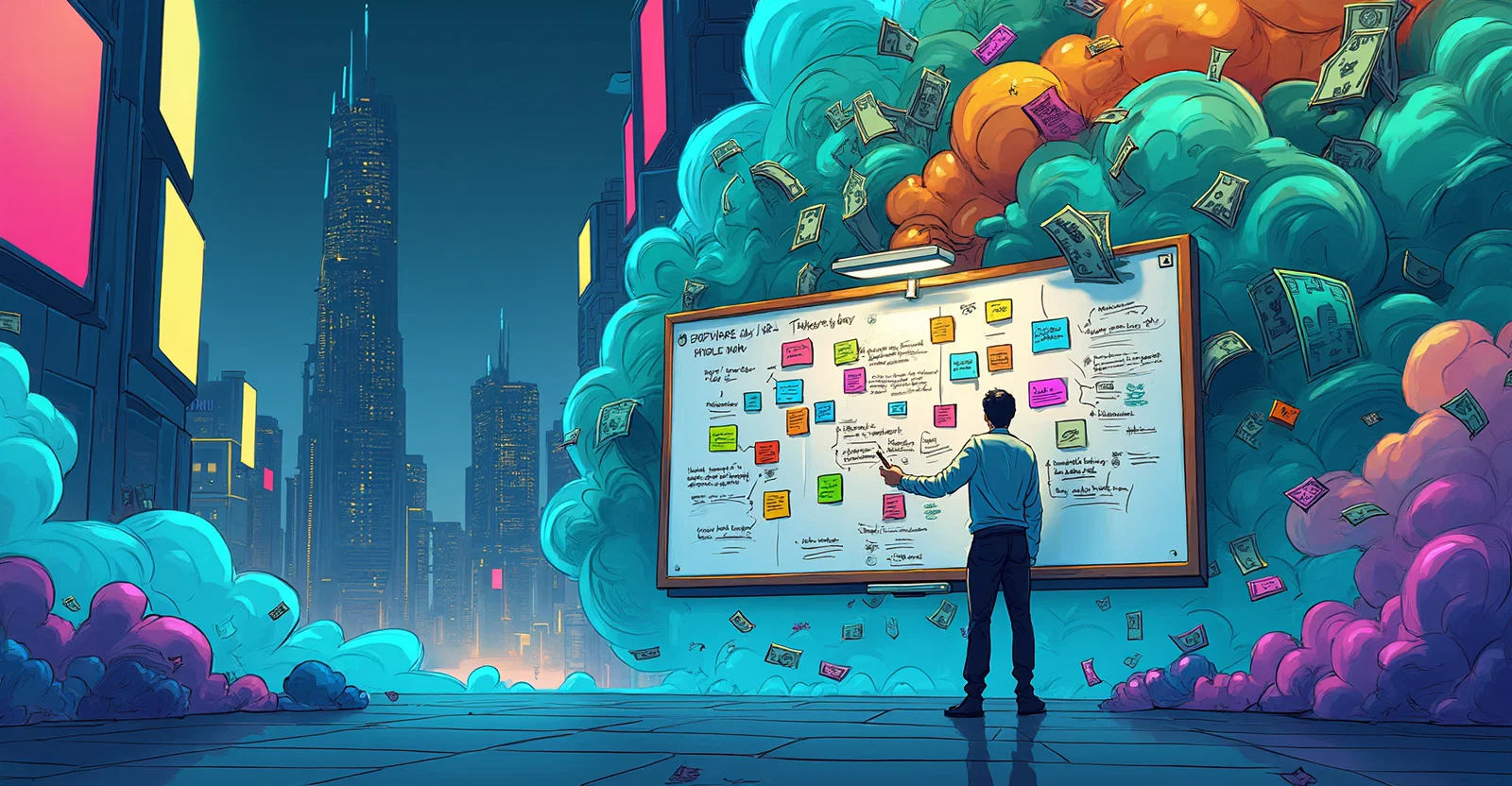
The strategic integration of Agile methodologies and Change Management is essential for organizations adopting an entrepreneurial mindset, fostering a networked approach for active implementation at all levels. Successful change in an Agile environment depends on top contributors such as effective sponsorship, a structured approach, dedicated resources, integration with project management, employee and manager engagement, and robust communication. Tailored Change Management practices are crucial for personalized approaches.

Many words have been spoken and written about the comparison between Agile and Agile 2. In my opinion, the most insightful analysis comes from Cliff Berg's article, which precisely delves into this subject. Berg points out that Agile 2 recognizes the success of Agile in shifting its focus from big plans to small teams.

It has always puzzled me – why, oh why do developers just love combining all requirements for a given individual feature in a single story? A new form? It will be a story. A new checkout logic? Yes, a story. Upsells, downsells, membership offered within a checkout? Yep, just add them all to the same story. So the stories blow up more and more, becoming unmanageable, having all their intricate requirements and test case scenarios woven into the endless paragraphs of text, get moved from sprint to sprint, and eventually get failed and failed again by QA because they can’t approve something that has 127 business rules when even one of them is not working.
Sign Up To Get Notified About New Articles
I Promise, I won't spam you
- The newsletter will be sent no more than once a week.
- I will never share or sell your email to any third party.
- You can unsubscribe at any time.