
Every Stakeholder Must Read!
It may be a surprise to you, but the decision to change product scope mid-flight can pose significant challenges that impact the project's success.
Let's explore the potential pitfalls of altering project scope and overview how to make your change requests with empathy and effectiveness. What is even more important is knowing when to make them and when to avoid.

In product development, the journey from ideation to market can be fraught with challenges. The main tragedy of many product fates is a useless, unusable, or obsolete product. Understanding the key reasons behind product failures is crucial for steering clear of pitfalls and embracing a more effective approach. Let's dissect the conventional models that often lead to suboptimal outcomes, shedding light on the missteps that hinder innovation and growth.
We have all experienced this in one way or another—when we truly believe our idea or suggestion is correct and maybe even the best, but the decision was made against it. How to deal with it? Should you fight for it, or should you submit? Today, we navigate the nuanced terrain of choices in Agile, dissecting scenarios where personal viewpoints clash with authority, team dynamics, and the challenge of defending or submitting to choices.

In recent years, the recognition of the need for proficient product coaches has surged, driven by an increasing number of companies embracing the practices of successful industry leaders. As the demand for product coaching grows, so does the challenge of distinguishing true expertise from the plethora of self-proclaimed “agile coaches” and “career coaches” with little to no product experience.
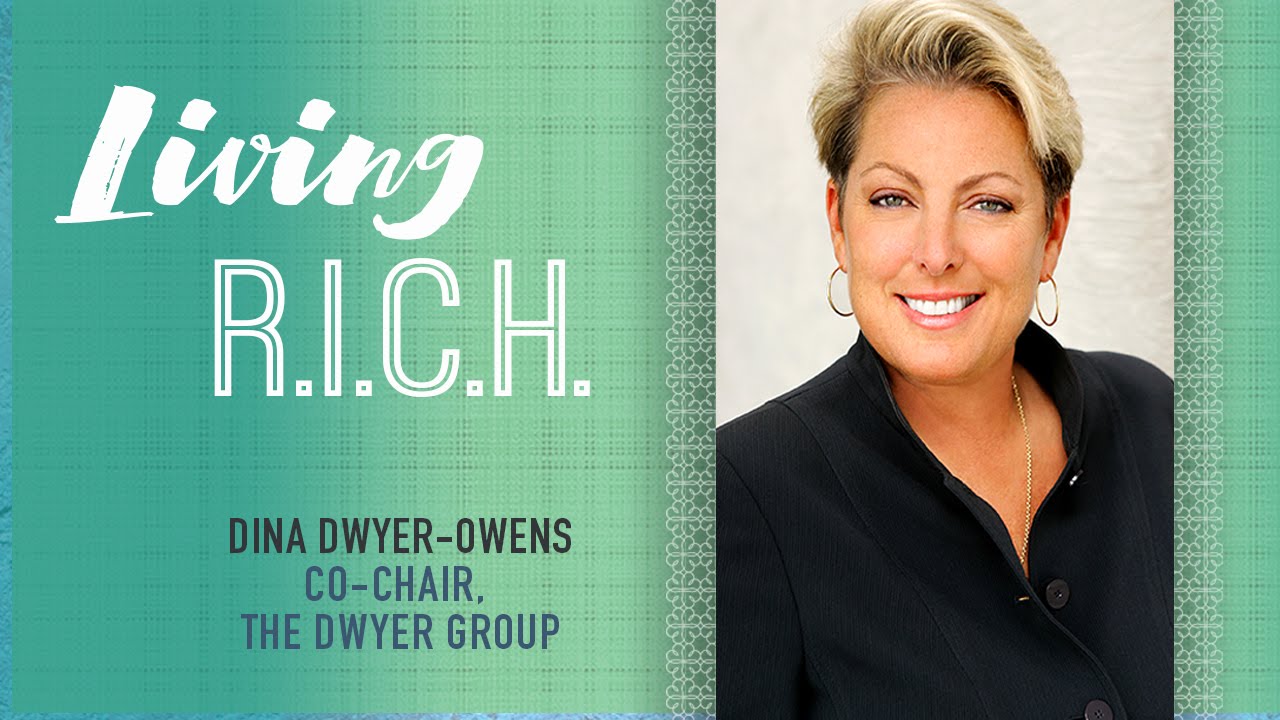
I decided to read the small (80 pages) book by Dina Dwyer-Owens, the owner of the large conglomerate Dwyer Group, which includes the Wisconsin-based Harmon Solutions Group, the company that gave me my first job in the U.S. for minimum wage, of course.