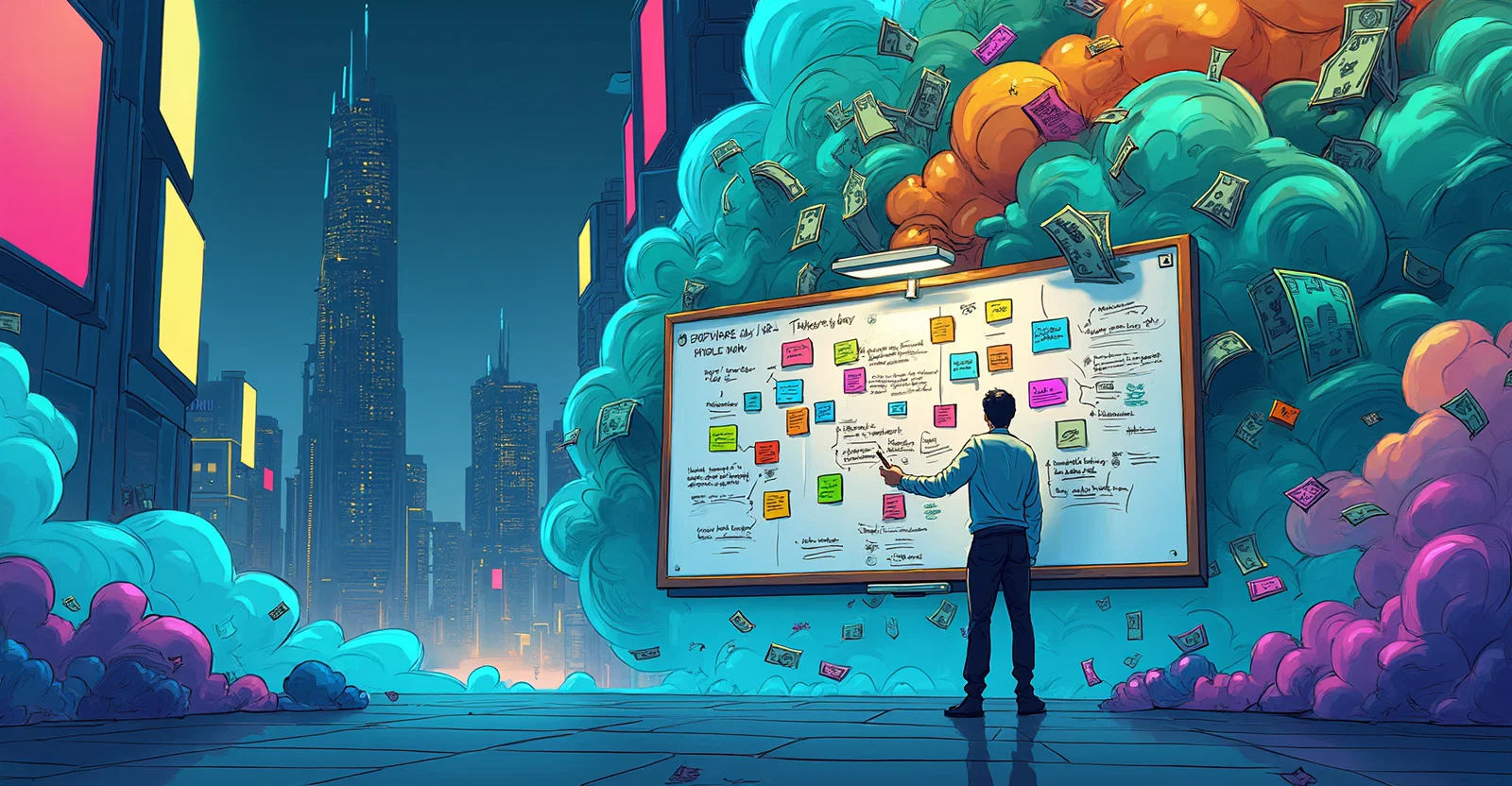
The strategic integration of Agile methodologies and Change Management is essential for organizations adopting an entrepreneurial mindset, fostering a networked approach for active implementation at all levels. Successful change in an Agile environment depends on top contributors such as effective sponsorship, a structured approach, dedicated resources, integration with project management, employee and manager engagement, and robust communication. Tailored Change Management practices are crucial for personalized approaches.

Many words have been spoken and written about the comparison between Agile and Agile 2. In my opinion, the most insightful analysis comes from Cliff Berg's article, which precisely delves into this subject. Berg points out that Agile 2 recognizes the success of Agile in shifting its focus from big plans to small teams.

When Bill Wake introduced INVEST as a standard for story writing in the emerging Agile software development methodology in 2003 (which stands for Independent, Negotiable, Valuable, Estimable, Small, and Testable), Agile itself was still in its early stages. Even now, in 2024, discussions around "Agile transformation" persist, as some companies are still catching up to modern development practices.

It has always puzzled me – why, oh why do developers just love combining all requirements for a given individual feature in a single story? A new form? It will be a story. A new checkout logic? Yes, a story. Upsells, downsells, membership offered within a checkout? Yep, just add them all to the same story. So the stories blow up more and more, becoming unmanageable, having all their intricate requirements and test case scenarios woven into the endless paragraphs of text, get moved from sprint to sprint, and eventually get failed and failed again by QA because they can’t approve something that has 127 business rules when even one of them is not working.
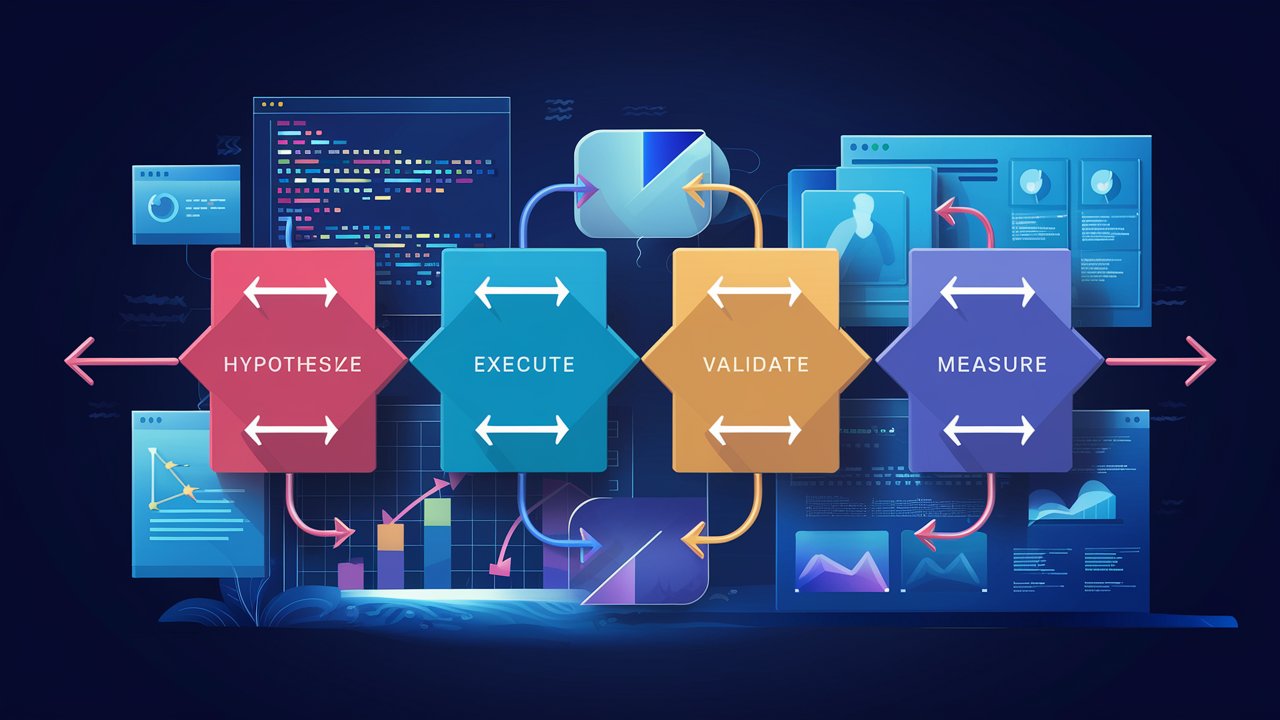
The Hypothesize - Execute - Validate - Measure (HEVM) cycle emerges as a cornerstone for lean and adaptable practices. This iterative cycle not only provides a framework for building and scaling products but also ensures continuous improvement and alignment with market needs. Let's explore how to leverage the HEVM cycle across various stages of product development.
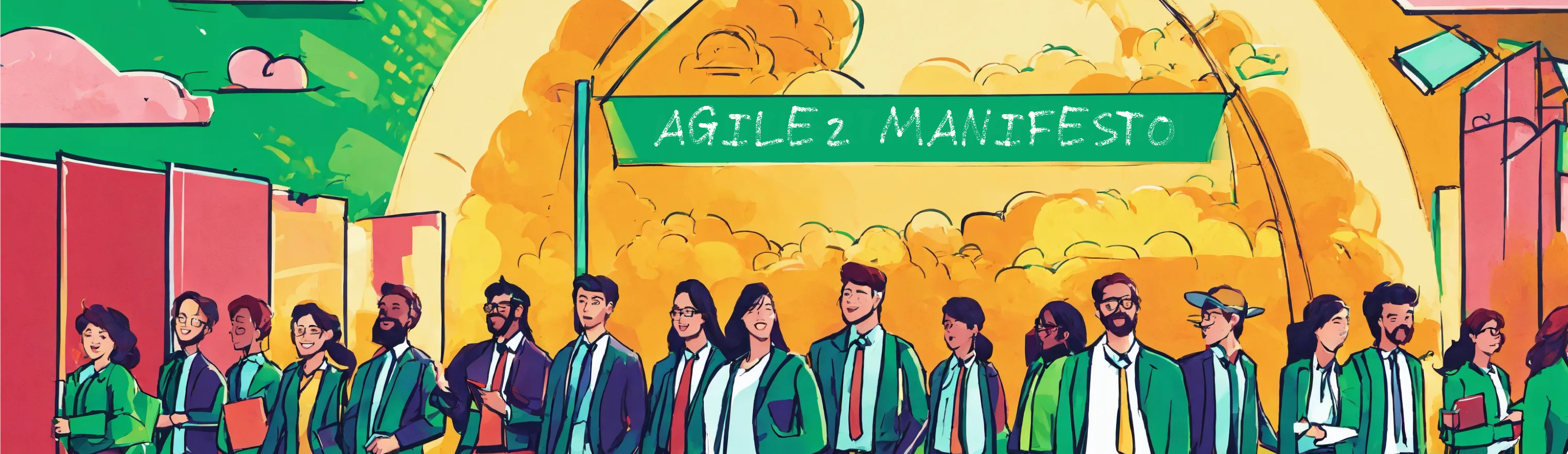
After witnessing years of both large and small companies grappling with the challenges of implementing the Agile software development methodology—acknowledging its potential for improvement or even considering it a failure—the original creators of Agile have taken the initiative to revisit and enhance the methodology. In today's exploration, we delve into the core values of Agile 2.0 to assess whether this evolved system addresses the inherent instabilities and shortcomings of the original Agile framework

Today I dare to take an in-depth look at the Agile Manifesto values, their intended meaning, some misconceptions about them, and our observations how they are sometimes implemented in real life development teams that claim they follow the Agile framework.

The Agile Manifesto prioritizes "Working software over comprehensive documentation," acknowledging the significance of ongoing development. However, like any principle, this approach has its drawbacks, and I am trying to avoid statements like "completely flawed." Having observed instances where projects experienced setbacks or even total failure due to strict adherence to this Agile tenet, today, I invite you to explore with me why comprehensive documentation is essential for successful software development.

Agile retrospectives are the cornerstone of continuous improvement, providing teams with a dedicated space to reflect, adapt, and evolve their processes. However, orchestrating a successful retrospective goes beyond routine discussions. Let’s delve into key strategies that can transform retrospectives into powerful tools for positive change.

Refuting the idea that the business-developer relationship is obscure, we reveal a dynamic environment where each decision profoundly influences the development team. This interaction significantly guides the project towards its ultimate goal
Sign Up To Get Notified About New Articles
I Promise, I won't spam you
- The newsletter will be sent no more than once a week.
- I will never share or sell your email to any third party.
- You can unsubscribe at any time.