We have all experienced this in one way or another—when we truly believe our idea or suggestion is correct and maybe even the best, but the decision was made against it. How to deal with it? Should you fight for it, or should you submit? Today, we navigate the nuanced terrain of choices in Agile, dissecting scenarios where personal viewpoints clash with authority, team dynamics, and the challenge of defending or submitting to choices.

In recent years, the recognition of the need for proficient product coaches has surged, driven by an increasing number of companies embracing the practices of successful industry leaders. As the demand for product coaching grows, so does the challenge of distinguishing true expertise from the plethora of self-proclaimed “agile coaches” and “career coaches” with little to no product experience.

In the dynamic realm of agile project management, staying on course amidst changing requirements and stakeholder pressures can be a challenging balancing act. One of the most formidable challenges is managing stakeholders, particularly when they attempt to inflate product scope, introduce constant changes, or propose a complete pivot.

In the dynamic realm of agile Product Management, navigating through stakeholder pressures and changing requirements becomes a complex task. We will discuss some cases where businesses seek scope modifications in the middle of an ongoing iteration and explore proactive measures to prevent these scenarios.

We all need a sanity check once in a while. It's much easier to fix things when you start noticing that the process is not working its best, rather than when it's all crumbling down. I urge you to answer the following 15 questions periodically to ensure that your team does not veer from the right path. Let's start. First question: Are your development projects often behind schedule and create dev debt?

The dynamic landscape of project management is witnessing a shift where organizations are increasingly adopting Agile methodologies not merely as a choice but as a necessity for their competitive survival. While some criticize Wagile as the pinnacle of dysfunctional development methodologies, this article seeks to explore the nuanced reality, considering when Wagile may be a solution, its pros and cons, how to implement it effectively, and what to expect from this hybrid methodology.

Embarking on a journey to a foreign land, whether by choice or circumstance, is a transformative experience that reshapes one's perspectives and challenges preconceived notions. In this intricate tapestry of experiences, opinions on immigrant life in a new country abound. Some argue that assimilation is a barrier to true self-realization, while others emphasize the potential for accelerated professional growth.

I decided to read the small (80 pages) book by Dina Dwyer-Owens, the owner of the large conglomerate Dwyer Group, which includes the Wisconsin-based Harmon Solutions Group, the company that gave me my first job in the U.S. for minimum wage, of course.

The very first step in any project is to understand the main product business goals. What kind of problems is this product trying to solve? Who is the client? What are any possible technical constraints?
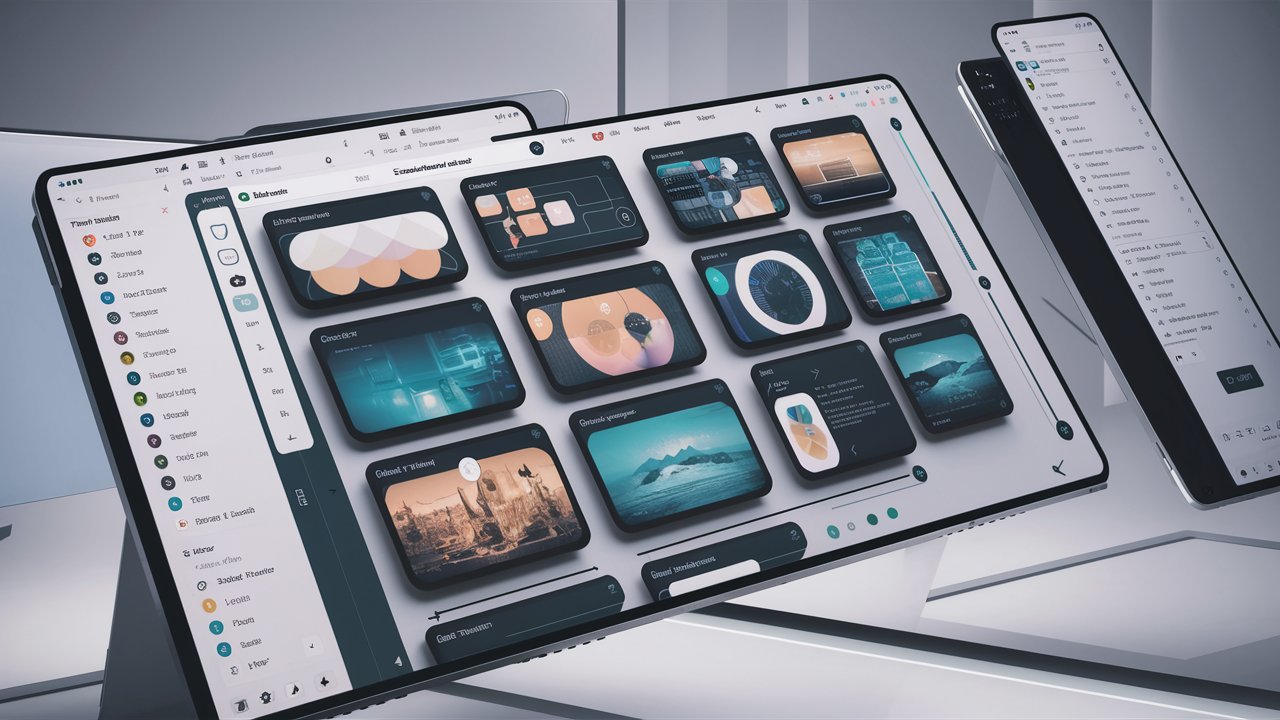
Unfortunately, many websites may not be considered usable as they turn off a lot of potential customers just because it's hard to find a menu or a product price list, or to navigate through different sections. These seemingly insignificant flaws sometimes turn out to be really critical, especially for small businesses, and have no right to remain unfixed. It's great if you have worked hard on functionality, but what's the use of it if no one will like to work with the site because it's inconvenient or unattractive?